What are Gravity Knives?

What are “Gravity Knives” and “Flick Knives”?

This blog post IS NOT legal advice.

Under UK law, the terms “gravity knife” and “flick knife” (also sometimes known as a switch-blade) refer to specific types of folding knives as defined by how the blade opens/deploys. These definitions come from the Restriction of Offensive Weapons Act 1959 (as amended). 

  • A flick knife is any knife whose blade “opens automatically from the closed position (or a partially open position) to the fully open position, by manual pressure applied to a button, spring or other device in or attached to the knife.”

  • A gravity knife is any knife whose blade is “released from the handle or sheath by the force of gravity or the application of centrifugal force,” and then locks open by means of a button, spring, lever or other device. 

In short: flick knives open automatically (button, spring, etc.), and gravity knives open via gravity or ‘centrifugal’ force. 

Because of those definitions, both flick and gravity knives have been subject to very strict legal control in the UK for decades. The supply, sale, importation, and possession of such knives is prohibited. However – there is some difficulty in interpreting the specific wording because of poorly worded legal definitions. 


Why Ball-Bearing Knives, Flippers or One-Hand Folders ≠ Gravity/Flick Knives (in principle)

It’s common in knife-enthusiast circles to hear concern or confusion about whether modern knives – especially ball-bearing or flipper knives – fall under the banned categories of flick or gravity knives. The short answer (under the law as written) is: no – if they open manually by hand and not by a button/spring or by gravity/centrifugal force, they should not be caught up in the legislation.

To explain:

  • “Manually opening” a knife – for example, using a thumb stud on the blade, or pulling it open by hand – does not fall under the legal definition of a flick knife. That’s because a flick knife must open automatically (via button, spring, or similar) to be prohibited. 

  • Similarly, a flipper or ball-bearing folder that merely uses manual force (your thumb or fingers) to pivot the blade out – even if it’s very smooth or quick – does not rely on gravity or a spring, and so should not meet the definition of a gravity knife.

The updated legal definition of flick knives (post-2019 amendments under Offensive Weapons Act 2019) continues to draw the line at “automatic” opening. This is the ‘intended’ outcome of the legislation. It was targeted to prohibit automatic and more specifically, spring assisted knives.

That means many one-hand folders, “manual flippers,” or ball-bearing knives – common in the knife-enthusiast and outdoor-tool markets – are, at least in principle, outside the scope of what the law bans as flick or gravity knives.

Indeed, when someone interested in knives hears gravity knife they picture a very specific design, or one of a few very specific designs. That is to say – a press button with the blade pointed toward the floor at which point the blade ‘falls’ out and locks into place. 

The problem happens when someone tried with all their might to swing a knife as hard as they physically can to cause the blade to open. Sometimes they will claim this is a gravity knife, or a centrifugal knife. This is not the spirit of the law. Which was intended to ban the knives we all immediately recognise as gravity or centrifugal knives. 

Ultimately, while it might be possible to open some knives this way, this is not how they were intended to be operated. It’s difficult, unwieldy and inefficient. Not to mention fairly dangerous to yourself. It is our opinion, and that of many other industry leaders in the UK – that this doesn’t cause all folding knives to fall into the gravity knife category. (Obviously) The designers clearly never intended this to be the method of operation. 


What’s Banned Under UK Law — And What Might Trigger Misunderstanding

Because flick knives and gravity knives are explicitly outlawed by name, the sale, importation, possession (even in private) is prohibited.

But there are a few reasons why confusion arises (and why someone might get in trouble even with a manual knife):

  • The 2019 update to the law broadened the definition of flick knives to capture newer designs that open “automatically … by any manual pressure … applied to a button, spring or other device … contained … in or attached to the knife.”

  • Because of that, some retailers and customs officers treat certain folders (especially flipper knives) as if they were banned flick knives. This has led to confusion and inconsistent enforcement. To be clear – flipper knives are not flick knives. Nor are they gravity knives.

  • The law gives no real “grey-area” defence: the definitions are mechanical. That means that even if a folder doesn’t look like a classic “switchblade,” it could still be seized if someone (often incorrectly) interprets its opening mechanism as automatic or assisted.

  • The best course of action is to calmly explain how the knives are manually operated, contain no springs and in the case of gravity knives are not opened solely by the force of gravity. It’s more confusing if the issue is ‘centrifugal opening’. Any knife that folds and is considered a folding knife could be opened, in theory, by swinging it hard enough. But unless it’s INTENDED operating is centrifugal; i.e a ‘Balisong’ this is not going to reclassify a normal manual folding knife into a gravity opening knife. 

Why This Matters — And a Final Word

The legal ban on flick knives and gravity knives reflects concerns about public safety. But for many outdoor, utility or general-use knives (cutting rope, carving wood, campsite use, etc.), there is no inherent reason why a manual folding knife should be problematic – and the law (somewhat) recognises that distinction.

So to this end we consider a gravity knife to be a knife that can be held pointed toward the floor and opened by pressing a button or switch without any other input from the user under the force of gravity. (The same force of course that would cause a ball to hit the floor if you dropped it). We also consider Balisongs to be a kind of gravity knife due to the inclusion of centrifugal force in their legal definition. I.e. That’s a knife that is intended to be opened by ‘swinging’ it arounds it’s handle pivots. 

We consider flick knives to be anything that’s automatic. Spring assisted knives are considered automatic and are thus banned. If you can press a button and the knife opens itself. It’s banned. If you have to do the work to open it yourself. It should be considered a manual knife. 

Here at Knife Warehouse we have carefully curated our range. We don’t stock any knives that are illegal. 

In closing: this is not legal advice. If you want to buy, sell, import or manufacture knives in the UK – or are unsure whether a certain design could be interpreted as illegal – you should consult a qualified legal professional.

Final Note; 

We don’t like the term centrifugal force being used in law. It is a ‘fictitious force’ that is the apparent result of an objects inertia. The force doesn’t actually exist per-se – which is quite an interesting read. See: https://en.wikipedia.org/wiki/Centrifugal_force
 

Why own a fixed blade knife?

Why You Might Want to Own a Fixed Blade Knife (And Be Glad You Did)

If you’ve ever found yourself wondering whether a fixed blade knife is worth owning, you’re not alone. With all the choices out there; folding knives, multitools, even pocket-sized blades: it can be hard to know what’s really worth using. But there’s something about a solid, dependable fixed blade that just makes sense. In fact, there are plenty of good reasons to keep one in your gear bag, or even on your belt where legalities permit, of course.

In this post, we’ll break down why fixed blade knives are so useful, who should think about owning one, and what makes them different from other types of knives.

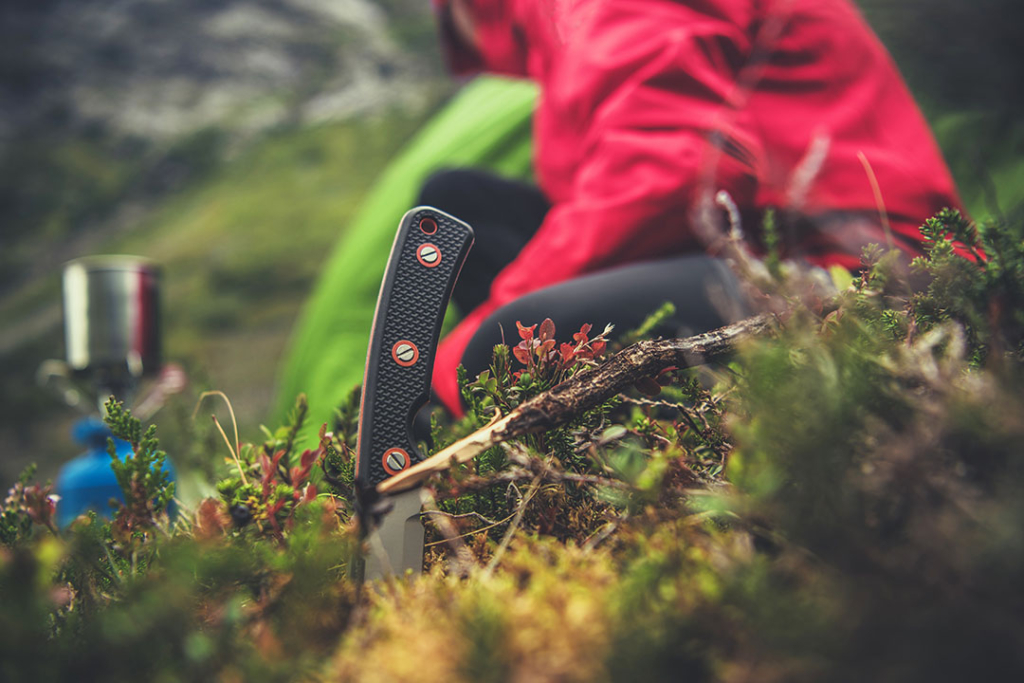
A Fixed blade knife embedded in a mossy log being used for general bushcraft.

Survival Camping in the Wild. Knife in the Ground and the Camper in the Background.

What Is a Fixed Blade Knife?

Let’s start with the basics. A fixed blade knife is exactly what it sounds like – a knife that doesn’t fold. The blade is permanently fixed in place, typically connected to the handle by a solid piece of metal, often full tang (which means the blade runs all the way through the handle for extra strength).

Unlike folding knives, there are no moving parts. That means fewer things to break, less chance of failure, and better durability overall. Plus, their simplicity allows for easy field stripping and cleaning, resulting in better longevity overall.

Why Choose a Fixed Blade Knife?

1. They’re Stronger and More Reliable

One of the biggest advantages of a fixed blade knife is strength. Since there are no hinges or locking mechanisms, the blade can handle much more pressure, both in the normal up and down direction, but also side to side, which most locking knives can’t handle well. Whether you’re chopping kindling, cutting rope, or field dressing game, a fixed blade won’t give out when you need it most.

This reliability makes fixed blades especially useful for outdoor survival, camping, hunting, and even emergency situations.

2. Great for Heavy-Duty Tasks

Folding knives are great for convenience, but when it comes to serious work, a fixed blade shines. Need to baton wood for a campfire? A folding knife isn’t going to cut it – literally (sorry). Fixed blades are made for tough, rugged use, and they’re built to last.

People who enjoy bushcraft, survival skills, or simply being prepared appreciate the raw power that comes with a strong, full-tang knife.

3. Easier to Clean and Maintain

Because they don’t fold, fixed blades are much easier to clean. No springs, no pivot points, no hidden parts for dirt or debris to get stuck in. Just rinse it off, dry it, and you’re good to go. If you really want to, a light mineral oil will keep the blade safe and rust free. Try and avoid other oils as they aren’t as food safe. You know – even vegetable oil will work!

This makes them a smart choice for hunters, fishers, and anyone using their knife in messy environments.


Fixed Blade Knives for Daily Use? Yep.

You might be thinking, “But aren’t fixed blades too big?” Not necessarily. There are plenty of compact fixed blade knives designed for more common household tasks. With the right sheath and a smart setup, a small fixed blade can be just as handy.. if not more so – than a folding knife.


Who Should Own a Fixed Blade Knife?

Fixed blade knives aren’t just for survivalists or hardcore outdoorsmen. Here’s who else might want to have one:

  • Campers and hikers – For food prep, fire-starting, and gear repair

  • Hunters and fishers – For skinning, gutting, and cutting line

  • DIYers and tradespeople – For cutting cords, stripping wires, or general use

  • Preppers and emergency kits – Because when things go wrong, a tough blade can be a lifesaver

  • Anyone who values reliability – If you want a no-fuss knife that just works, this is it

This is by no means an exhaustive list – they can be useful for almost anyone!

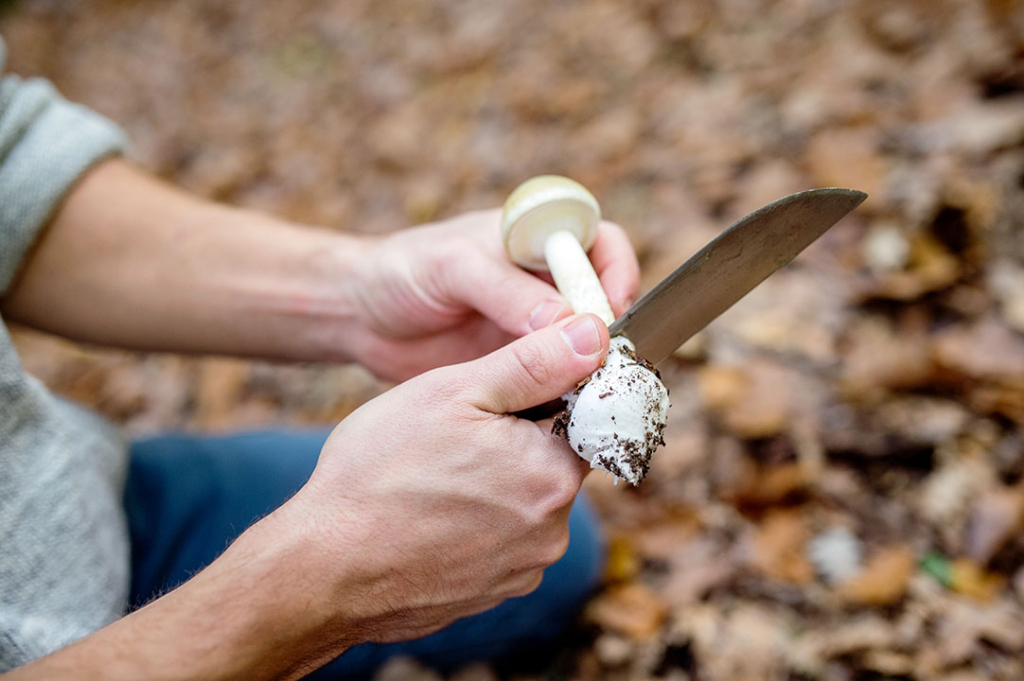
A man cutting a mushroom with a high quality fixed blade knife.

A man in the forest holding a mushroom in his hands, cleaning it with knife


What to Look for in a Good Fixed Blade Knife

If you’re considering picking one up, here are a few things to keep in mind:

  • Full tang design – Stronger and more durable

  • Comfortable handle – You’ll want something that feels good in your hand

  • Quality steel – High-carbon steel or stainless steel both have their perks

  • Solid sheath – A good sheath makes carrying safer and more practical

You don’t have to spend a fortune to get a quality knife, either. There are some great budget-friendly options out there that will hold up to regular use.


Final Thoughts: Fixed Blade Knives Just Make Sense

Whether you’re heading out into the wild or just want a dependable tool on hand, a fixed blade knife is a solid choice. It’s tough, reliable, and easy to use when it matters most.

Sure, folding knives have their place. But when you want strength, simplicity, and trust in your gear, it’s hard to beat a fixed blade. Once you start using one, you might wonder why you waited so long.

So if you’re thinking about adding a new knife to your collection – or maybe your first one – give a fixed blade a serious look. It might just become your go-to tool for everything life throws your way.

A girl tending a campfire she's built with a fixed blade knife - a great way to spend a day and a perfect tool for the task!

A woman makes a fire to keep warm in the forest.

Acta Non Verba: Impeccable Fixed & Lock Knives

When it comes to high-quality, reliable knives that balance form with function, few brands stand out like Acta Non Verba (ANV). Based in the Czech Republic, ANV creates knives that are more than just tools—they are precision craftsmanship and design. From fixed blade knives to lock knives, ANV meets the needs of outdoor enthusiasts, craftsmen, and everyday users alike. With a philosophy built in the Latin phrase “Acta Non Verba” (“Actions, Not Words”), ANV focuses on delivering unmatched performance and dependability. There are few brands that perform to the same standard as ANV. Which is why, here at Knife Warehouse, we’re extremely excited to be able to bring them to you!

Acta Non Verba (ANV) Fixed blade knife the M73 Kontos. Shown in all black with textured handle and clip point blade.

The Essence of Acta Non Verba

The guiding principle of Acta Non Verba is clear: actions speak louder than words. This ethos drives every knife they produce. ANV prioritizes function over gimmicks, ensuring their tools perform reliably in the most demanding conditions. Whether you’re out on an adventure, tackling tasks at home, or simply enjoying the craftsmanship of a fine blade, ANV knives are designed to be your trusted companion. For example, the ANV M73 Kontos Survival knife is simple, exceptionally durable, and comes with one of the grippiest handles we’ve ever seen. Nearly unbreakable, and completely perfect for extended trips in the great outdoors.

ANV Craftsmanship and Quality

Blade Materials

ANV constructs their knives using premium materials that ensure exceptional performance and durability. Many blades feature high-grade steels like Sleipner or Elmax, which are known for their superior edge retention, toughness, and corrosion resistance. These carefully chosen materials help the knives endure rigorous use while maintaining sharpness over time. Plus, the choice in materials goes beyond that, they also easy to sharpen, meaning even out in the field,  you can keep them in top condition fairly easily.

Ergonomic Handle Design

The handles of ANV knives are just as thoughtfully crafted as their blades. Made from materials such as G10 or durable composite woods, they provide a secure and comfortable grip, even during extended use. Whether you’re carving wood or preparing food, the ergonomic design reduces hand fatigue and enhances precision. With palm swells and texturing being exceptionally well done to ensure that the knives feel just as good in hand as they perform.

Fixed Blade Knives

Strength and Versatility

ANV’s fixed blade knives represent a cornerstone of their product line. Known for their strength and reliability, these knives feature full tang construction. The blade extends through the handle, ensuring maximum durability and balance. These knives excel at heavy-duty tasks like chopping, carving, or food preparation during camping trips.

Practical Sheath Designs

Each fixed blade knife includes a custom sheath made from durable materials like Kydex or leather. These sheaths allow for easy attachment to belts or gear, ensuring your knife remains within reach while staying securely stored. With this design, you can focus on your task without worrying about safety or accessibility.

Lock Knives: Precision Meets Portability

Not all ANV knives are fixed blades. Their lock knives bring additional functionality and portability to the lineup. These folding knives feature secure locking mechanisms that keep the blade firmly in place during use. In addition, the focus on using the same premium materials and quality control measures ensure that they are just as fully featured and functional as their fixed blade counterparts.

Versatile Applications

Lock knives are ideal for those who need a compact tool that’s easy to carry. Whether you’re opening packages, slicing fruit, or cutting rope, these knives handle everyday tasks with ease. They make a reliable addition to your pocket or toolkit for use where you have permission to have them.

Innovative Locking Mechanisms

ANV uses advanced locking systems like liner locks or back locks to ensure user safety and blade stability. The smooth action of these mechanisms reflects ANV’s dedication to precision engineering and user satisfaction. With more advanced options available like certain models with bolt locks, you also have a wide range to choose from to make sure you get a knife that will suit your needs excactly.

ANV Design Aesthetics

Beyond their functionality, ANV knives are visually stunning. The brand’s minimalist, modern designs appeal to anyone who values the fusion of art and utility. Clean lines, subtle finishes, and thoughtful details make each knife a pleasure to use and admire. For collectors and users alike, ANV knives strike a perfect balance between tradition and innovation.

Investment in Excellence

While ANV positions their knives in the premium segment, their quality and longevity make them worth every penny. These knives are built to last, offering excellent value for your money. Whether you’re an avid outdoorsperson, a craftsman, or someone who values precision tools, an ANV knife is an investment in reliability and performance. You can see the way they think in every single knife they deliver. It’s very much a case of buy premium, buy once. Much better than the common buy cheap, buy twice!

Conclusion

Acta Non Verba has earned its reputation as a leader in knife craftsmanship by staying true to its philosophy of “Actions, Not Words.” From fixed blade knives to sheath knives and lock knives, ANV’s products deliver unparalleled functionality, durability, and design. These are knives that don’t just meet your needs—they exceed your expectations. Explore the full range of ANV knives today and discover the perfect tool to accompany you on life’s adventures.

2024 Machete & ‘Zombie Knife’ Ban

Another year, another change: The new Zombie Knife Ban.

We’re fast approaching the date at which the government’s new laws officially come into effect. Specifically, part 2 of the Criminal Justice Act 1988 (Offensive Weapons) (Amendment, Surrender and Compensation) Order 2024.

Effective Date: 24th September 2024


Key Updates:

New Definition of Offensive Weapons:

The legislation adds a new category for “zombie-style knives” and “zombie-style machetes.”
These are large bladed ‘weapons’ with certain specific features.

To be included in the new legislation, the blade;

MUST

Be longer than 8 inches. (Measured from the tip of the blade to top of the handle)
Have a sharp pointed end
Have a plain cutting edge.

AND Include one or more of the following:

A serrated edge (apart from a small serrated section less than 2 inches long next to the handle)
Multiple holes (More than one hole)
More than two sharp points.

If the blade is less than 8 inches long and has any of the features from the AND selection, it’s not included in the new law.
Likewise, it’s if more than 8 inches long, but doesn’t have anything from the AND section it’s not included in the new law.


What does this mean for you? 

It means if you own something now covered by the new rules after the 24th of September, 2024, you may be committing an offense under the law.


What do I do next?

There are three main options:

1) Destroy / grind / file / sand or otherwise remove the features that make the knife illegal.
– If the serrated section is more than 2 inches, you can file it off until it’s less than 2 inches.
– If the blade has multiple holes in it, you could get a Dremel tool and join the holes up until the knife only has one hole.
– If the blade has too many sharp points, you can file or sand them off.

Obviously, this is ONLY if you have a legitimate use for the knife in it’s new configuration. We know that a sawback spine can be useful for gardening for example, but if it makes your extremely useful groundskeeping machete illegal, it may be worth modifying it so you can keep using your tool.

2) You can destroy or dispose of the knife.
– Contact your local recycling centre and ask if they accept knives. If they do: wrap the knife securely in something it wont cut or pierce through and take it to the centre. It’s good practice to contact them first to make sure they’re happy to accept a knife.
– File or sand the knife so it’s fully blunt and doesn’t have a cutting edge anymore; i.e, destroy the knife. It can then be taken to a recycling centre, a knife disposal bin or general household waste if it’s certain to not be any risk of injury to anyone.

3) Surrender the knife to the police for compensation.
– This option is only available until the 24th of September 2024.
– You must have owned / purchased the knife before the 26th of August 2024.


What’s this about compensation?

The legislation allows for a standard amount of compensation to be paid per surrendered knife.

This amount is £10 per knife. 

If you have proof the knife was worth more than that when purchased, you must provide proof of the value, i.e a receipt showing it’s value, or other published evidence of it’s value.
In order to qualify for compensation, you need to be requesting a minimum of £30. That’s three knives at £10 each, or a single, or multiple knives with a value of over £30.

In order to surrender your knife, you must wrap and package it securely and take it to a police station. It is advisable to contact them ahead of time to let them know you’re coming to avoid and misunderstandings.

You will need to fill out this form and bring it with you. The person at the desk will be able to guide you through the process and your compensation claim.

Convenient Flow Chart

For further details or assistance, please contact your local police station. Or, feel free to reach out to us for any questions you think we can directly answer for you.

How to Throw Knives Like a Pro (Knife Throwing Guide)

The Art of Knife Throwing

Knife throwing is an awesome skill that combines precision, patience, and practice. Whether you’re looking to pick up a new hobby, impress friends, or simply challenge yourself, knife throwing can be a rewarding and exciting pursuit. In this guide, we’ll look at everything you need to know to get started with knife throwing: from choosing the right knives to ensuring your safety, and understanding the legal rules in the UK.

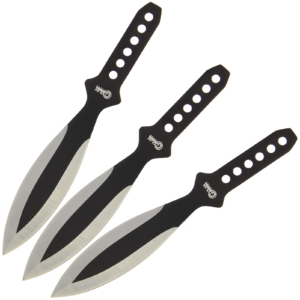
Three black and silver Golan Throwing Knives on a white background. Blades are leaf shaped and the knives have slight fingers guards. The handles feature multiple drilled holes that results in a blade heavy throwing knife.

Golan 3pc Black & Steel Throwing Knife Set

Choosing the Right Throwing Knives

Types of Throwing Knives

When selecting your first set of throwing knives, you’ll find several types. Here are the most common:

  • Balanced Knives: These knives have a center of gravity in the middle. They are ideal for beginners as they can be thrown by the handle or the blade. They’re usually more forgiving and allow you to determine which kind of throwing style you prefer.
  • Blade-Heavy Knives: The center of gravity is towards the blade. These are easier to learn with when throwing by the handle. Plus, with a blade heavy design, you stand a greater chance of the blade sticking into the target correctly.
  • Handle-Heavy Knives: The center of gravity is towards the handle. These are typically thrown by the blade and require more advanced skills. They can be harder to use, but once you’ve mastered them, you’ll be able to throw nearly anything, not just knives. We’ve seen videos of people using scissors, screwdrivers, large nails and pocket knives! (At your own risk, which we don’t recommend!)

Things to Lookout For

When shopping for throwing knives, these features can make all the difference. The short list below includes the main things to consider.

  • Weight: Heavier knives are easier to control and stick into targets better. Look for knives weighing between 200-300 grams. The weight isn’t super important, but it can influence your style.
  • Length: Longer knives (10-12 inches) provide better stability and accuracy and offer an easier ‘no-spin’ or limited spin throwing style which is becoming more popular online.
  • Material: Stainless steel is durable and resistant to rust, making it a popular choice. Carbon steel is or at least, can be more durable and much easier to sharpen too.
  • Design: Pick simple designs without unnecessary adornments that could affect the balance. We know the flashy ones are cool. We’d never suggest you don’t buy them if you want them, but especially while learning, the simpler designs tend to be easier to get started with.

Safety First: Essential Tips for Safe Knife Throwing

Safety Gear – For absolute beginners, this can really help!

  • Eye Protection: Safety goggles can protect your eyes from ricocheting knives or splinters from the target. We know they’re not always very comfortable, but your sight is one of your most important senses, look after it!
  • Footwear: Closed-toe shoes are a must to protect your feet from dropped knives. Plus, it’s better than explaining to a doctor why you have a hole in your foot!

Setting Up a Safe Throwing Area

  • Location: Choose an open area free from obstructions and people who aren’t joining in on the fun. Outdoor spaces are ideal, but make sure it’s legal to throw knives in that area – most people can use their back garden without too many issues.
  • Backstop: Use a large, sturdy backstop to catch missed throws. Wooden pallets or thick foam boards work well. Alternatively, a strong (not cheap paneled) wooden fence can work, or a brick wall. Anything that will prevent knives from being thrown into unintended locations. Make sure your knives stand no chance of going through your backstop too!
  • Target: A round wooden target is traditional. Ensure it’s securely mounted at shoulder height. But, archery targets, dartboards, wooden off-cuts and tree stumps also work. If you’re really stuck, a thick stack of cardboard will work for a while to get you started. The knives will eventually destroy it, but it’s a great cheap option.

Throwing Techniques for Beginners

Basic Grip and Stance

  • Grip: Hold the knife by the handle (or blade if using a handle-heavy knife) with a firm but relaxed grip. Some people like to ‘pinch’ the knife between their thumb and first finger, others go for a firmer wrap around grip. However, you must exercise extreme caution, as if the blade is touching you it can cut you when you release it. So adjust your grip (if blade throwing style will be used) so that no part of the cutting edge is touching you.
  • Stance: Stand with your feet shoulder-width apart, one foot slightly forward. Your dominant foot should be at the back for stability.

More Grip Details

Hammer Grip

Holding the handle – grip the handle of the knife with your preferred hand, wrapping your fingers around the handle, similar to how you might hold a hammer. The trick is to grip it tight enough to maintain control, but light enough that it’s not difficult to release. The tip of your thumb should sit on the spine of the knife, pointed toward the tip of the blade. Alternatively, you can wrap your thumb around your fingers in a more secure position – experiment with what works best for you!

Pinch Grip

‘Pinch’ the blade or handle of your knife with your dominant hand, holding it between your thumb and first finger. Pressing together to secure the knife in your hand. This should be a similar position to how you would hold a dart. You can optionally add your middle and ring fingers into this pinch to add an extra layer of control. Personally, this is my favourite grip for throwing knives while holding the blade.

The Throw

  1. Aiming: Focus on a specific spot on the target. Keep your eyes fixed on your aim point. This is 3/4 of the work done by itself, your arms will tend to follow your sight so this should get you into the rough area of the target.
  2. Wind-Up: Bring your throwing arm back to shoulder height with the knife slightly above your ear. Some people will point their free hand at the target here – this can be helpful, but you must be extremely cautious that you don’t allow the knife to come anywhere close to this other arm. For beginners especially, we would probably steer you away from this method.
  3. Release: In a smooth motion, bring your arm forward and down. Release the knife when your arm is parallel to the ground. Some people suggest to imagine you’re standing at a waist high fence, you need to release the knife just before your arm would contact this imaginary fence.
  4. Follow Through: Let your arm continue its natural motion after releasing the knife without jerking or tensing too much.

Legal Considerations for Knife Throwing in the UK

At Home

In the UK, owning and practicing with throwing knives at home is legal. However, certain restrictions apply:

  • Age: You must be over 18 to purchase throwing knives.
  • Safety: Ensure your throwing area is secure and does not pose a risk to others.
  • DO NOT take throwing knives outside of your home without a LEGITIMATE and easily explainable reason – such as to go to a knife throwing club.

In Clubs

Joining a knife-throwing club is a great way to improve your skills and meet like-minded enthusiasts. Clubs in the UK must adhere to strict safety regulations:

  • Regulations: Clubs often have their own rules, including supervised practice sessions and some with have mandatory safety gear.
  • Insurance: Clubs typically carry insurance to cover any accidents or injuries.

Tips and Tricks for Improving Your Knife Throwing Skills

Consistent Practice

  • Daily Routine: Practice daily to develop muscle memory. Obviously, not everyone has the time, or desire to do this. But the longer you spend practicing the better you’ll get. We’ve seen some people able to throw multiple different kinds of knives, with different techniques one after the other. I’ve ever seen one particularly good knife thrower drop the knife toward his foot, and kick it toward the target. This is absolutely not recommended, but it is nice to see the creativity!
  • Short Sessions: Start with short, focused practice sessions to avoid fatigue. Believe me, you’ll notice it the day after if you overdo it. The DOMS or ‘Delayed Onset Muscle Soreness’ the next day will make you wish you kept the session short and sweet!

Analyzing Your Throws

If you’re really serious about improving, and doing so quickly, you can take a couple of extra steps to massively improve:

  • Keep a Journal: Record your practice sessions, noting successes and areas for improvement. Write down how far you are from the target, how many spins the knife is doing in the air, if it’s landing point or handle first. Everything and anything. You can adjust your distance to target, power level and release time to adjust all this factors, and it’s much easier if you have a record of them before adjusting!
  • Video Analysis: Record your throws and review the footage to identify and correct mistakes. This is very helpful, especially with modern phones that can do excellent slow motion videos. You’ll be able to see the exact moment of release, if you’re at the right angle, if you hold on too long, or not enough before the throw.

Joining a Community

Another great way to improve your technique is to discuss with other enthusiasts.

  • Online Forums: Join knife-throwing forums and social media groups to share tips and get feedback. These groups are usually really friendly, and an excellent place to get tips and tricks that we haven’t mentioned here. Usually they’ll be very willing to help you analyze what you’re doing right and wrong.
  • Local Clubs: Participate in local clubs and competitions to gain experience and improve your skills. It’s a niche area, but clubs do exist and they are a huge amount of fun. Something we’d recommend everyone trying – at least once.

Knife throwing is an extremely fun (and rewarding) hobby that requires patience and practice. By choosing the right knives, setting up a safe practice area, and understanding the legalities, you can enjoy this activity safely and responsibly. Remember, consistency is key, so keep practicing, stay safe, and most importantly, have fun!

**While this blog is a guide – YOU MUST USE YOUR OWN COMMON SENSE. Knife Warehouse and the blog author are NOT RESPONSIBLE for any injuries or damage caused by misuse or mistakes. Always do your own research, and take every step possible to ensure you enjoy knife throwing in a safe, controlled environment. 


Feel free to share your own knife-throwing experiences and tips in the comments below. Happy throwing!

Unlocking the Mysteries: The Legality of Katana Swords in the UK

The Blade Dilemma

In the realm of edged swords, the Katana sword stands out as a symbol of tradition, craftsmanship, and martial prowess. However, in the United Kingdom, the legality of owning a Katana is subject to specific regulations, particularly concerning curved blades exceeding 50cm. Let’s unravel the legal intricacies that surround these iconic swords.

Understanding the UK Laws

The UK’s laws on bladed weapons, as outlined in the Criminal Justice Act 1988, prohibit the possession of certain types of blades in public spaces. Further, more rules exist governing what you can own at home. Among these restrictions is a specific clause addressing curved blades over 50cm. Generally curved blades over 50cm are prohibited, however, there’s an exception to this rule – traditionally handcrafted Katana swords.

The Exemption for Traditional Craftsmanship

The law acknowledges the cultural and historical significance of traditional Katana swords, exempting them from the general restrictions on curved blades. This exemption is a nod to the craftsmanship and heritage associated with these iconic swords. It emphasizes the importance of distinguishing between mass-produced blades and those crafted with traditional methods.

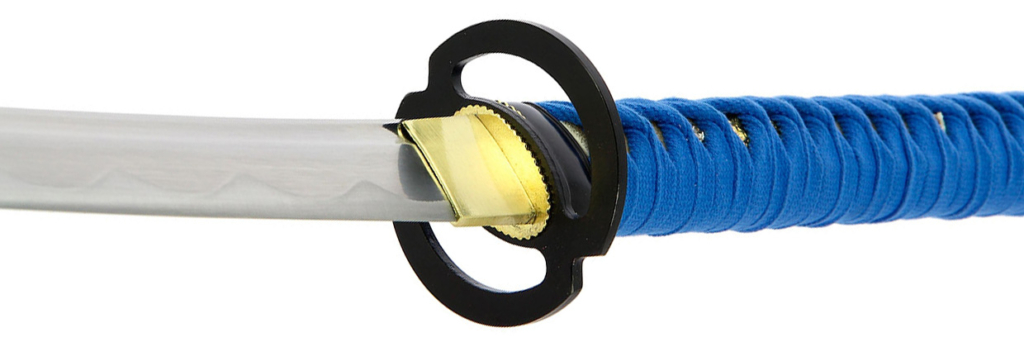
Close up of one of our traditionally hand made Golan katanas. The Joy of Water-filled Bottles and Blades

Now, let’s venture into the world of Katana enthusiasts who find joy in the art of cutting. Fun-filled activities, such as cutting bottles filled with water, provide practitioners with a unique way to hone their skills and appreciate the precision of a well-crafted blade. This engaging practice adds an element of enjoyment to the serious discipline associated with Katana mastery.

Embracing the Art of Cutting

Cutting through water-filled bottles is not just about the thrill; it’s a way to test and improve one’s technique. The sound of the blade slicing through the water and the satisfaction of a clean cut add a sensory dimension to the practice. It’s a testament to the harmony between the Katana and its wielder, an art form that transcends mere functionality. Legally speaking, you’re absolutely welcome to do this at home. Some people go further and use the traditional Japanese tatami mats instead. When you can find them for sale anyway! Other people use rolled up beach mats, and for an excellent budget option, pool noodles make good practice.

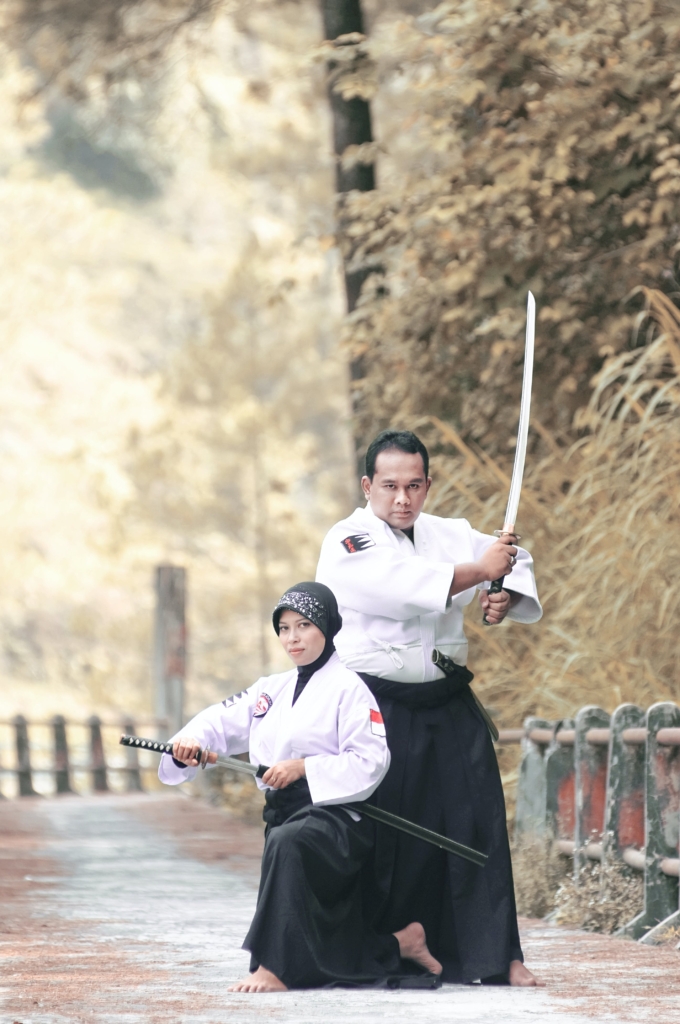
pair of martial artists posing with their Japanese swords.

Unveiling the Katana Sword at Knife Warehouse

At Knife Warehouse, we understand the allure of the Katana sword and offer a curated collection of hand-forged traditional Katana swords. Our commitment to quality ensures that each blade is a testament to the rich history and craftsmanship associated with these iconic symbols.

Explore the Variety

Samurai, the legendary warriors of feudal Japan, wore their Katana swords with pride and purpose. At Knife Warehouse, we celebrate this tradition by offering a diverse range of designs and styles. From ornate handles to intricately detailed sheaths, our collection allows you to choose a Katana that resonates with your personal style.

High-Quality Carbon Steel Blades

Our Katana swords feature high-quality carbon steel blades, ensuring durability and sharpness. The traditional hand-forging process adds an authentic touch, making each sword a unique piece of art. Whether you’re a collector, martial artist, or someone captivated by the history of the Samurai, our collection caters to every discerning enthusiast.

The Essence of Samurai Tradition

Samurai not only wielded their Katana for battle but also considered them an extension of their soul. The symbolic significance of the Katana transcends its utilitarian purpose, embodying honor, discipline, and the spirit of the warrior. Each Katana at Knife Warehouse carries forward this legacy, inviting you to connect with the timeless essence of Samurai tradition. Katana swords are no log user in battle, but for a collector, they can be an essential part of their collection.

Navigating the Legal Landscape

In conclusion, while UK laws regulate the possession of curved blades, the exemption for traditionally handcrafted Katana swords preserves their cultural value. Knife Warehouse provides enthusiasts with a gateway to explore the world of Katana swords, where craftsmanship, tradition, and the joy of cutting converge. Embrace the spirit of the Samurai as you embark on a journey with these iconic blades.

*Little note. We know that ‘Katana Sword’ is the same as saying ‘Sword Sword’ as Katana just means sword in Japanese. However, as people use the phrase this way, we figured we’d embrace it.

VIEW ALL KATANA SWORDS

Gil Hibben – About the Legendary Knife Maker

Rambo Knives

A photo of Gil Hibben, the maker of Rambo Knives standing with Elvis Presley.

Gil Hibben is perhaps the most prolific and famous knife maker in the USA. He has gained near notoriety for making custom knives for top movie stars and box office films. Most notably the Rambo franchise, ‘The Expendables’ and even ‘Star Trek’. In fact, his knives have featured in over 30 movies and TV shows. His most known knife though, is probably the Rambo Knife.

Gil started way back in 1957. After being discharged from the Navy he sold his first knife for $45, and his long and illustrious career began. The list of mega stars that have had knives made by Gil is remarkable and includes Elvis Presley, Steve McQueen, Sylvester Stallone, Steven Segal, John Travolta, and the Sultan of Brunei. One of Gil Hibben’s knives are even in the Presidential Archives of the White House.

Early Years

In his earlier years, Gil worked as a machinist for Boeing which meant he learned a lot about various metals and their properties. This knowledge and experience is certainly a factor counting toward how exceptional his knives can be.. and the prices they can fetch!

During the sixties Gil designed all of Browning’s original line of knives. Spending 5 years in Alaska as a hunting guide which gave him the experience to design amazing knives perfectly suited to the task. Based on his Alaskan experience he designed many of his knives with the wilderness environment in mind which are used and endorsed by the Alaska Professional Hunters Association.

Gil Hibben was clearly already an established knife maker, but it was in 1988, 30+ years on from his first knife, that he gained fame when Sylvester Stallone commissioned him to design the now iconic knife for Rambo III.

The Rambo III Knife

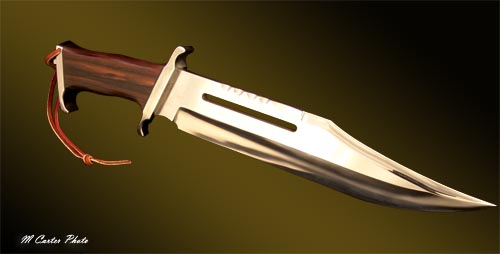
It was sharp, shiny, dramatically large and absolutely fitting to the franchise. In the films we see it used for various things, including a knife’s true purpose – utility cutting. It featured a massive clipped point and false edge. Sabre ground with slotted flats and a large handguard. The knife included a flawlessly finished wooden handle that hugs the users hand and comes capped with a hooked pommel. It really was a masterpiece for it’s time.

A photo of the Rambo III Kniife

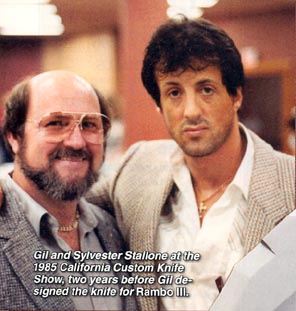
Stallone was a long-time collector of Gil’s custom knives and has an extensive personal collection. They are pictured below 3 years before the movie at the California Knife show. This iconic knife went on to be one of the biggest selling reproduction knives of all time. The shape and style of this knife makes it one of my personal favourites.

A photo of Gil Hibben and Sly at the Knife Show.

Gil filmed a video for Stallone showing how to forge a knife for him helping to film a scene of Rambo doing so in the movie. Sadly the scene was filmed but later cut from the movie. In Rambo IV (just titled ‘Rambo’ in 2008) and Rambo Last Blood (2019) we do get to see the knife forging process.

Luckily for us, Gil is still going! Now with assistance from his sons Wesley and Derek. As you’d expect with generational knife makers, their work is iconic, they’ll likely go down in history as some of the best knife makers of our time.

They currently operate out of LaGrange, Kentucky in the USA. They still make a limited number of handmade custom knives each year, though getting your hands on one at knife shows can be a real challenge. Many would consider them ‘grail’ knives.


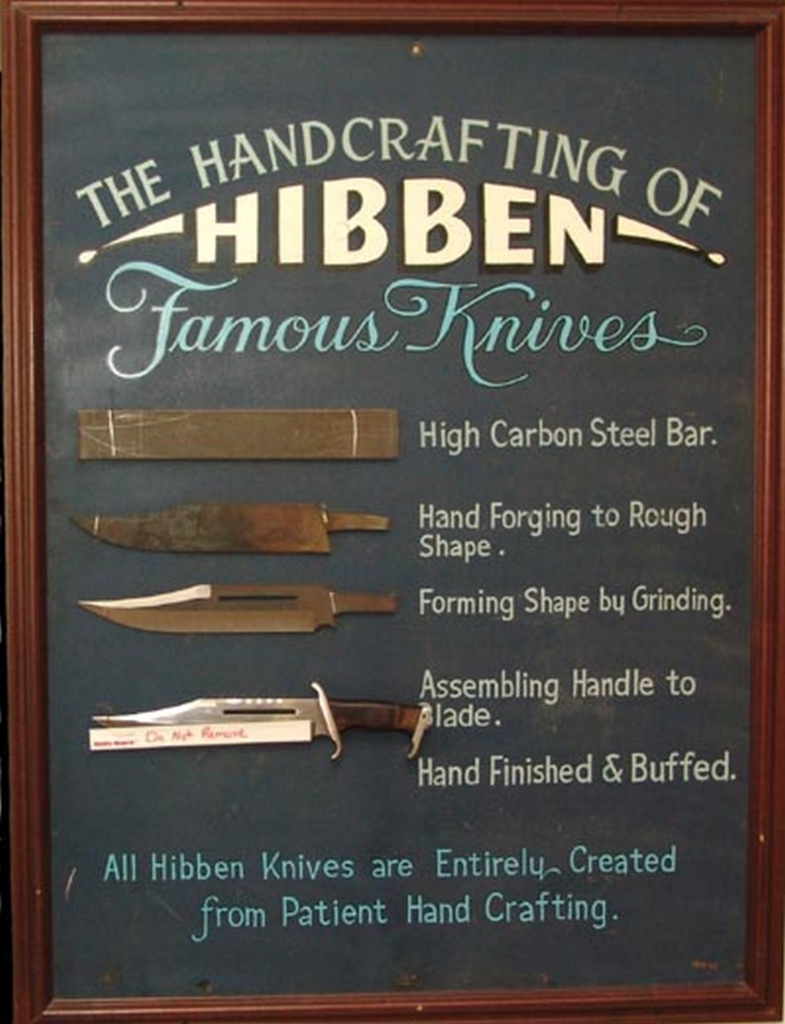
Photo of the steps involved for forging the iconic Gil Hibben Rambo III Knife.

A Rambo Knife Available Today

Sadly, we can’t all own a work of art hand crafted by the man himself. Luckily, there are two main options for us collectors.

1) You can purchase a cheap reproduction. They vary in quality, performance and balance but usually capture the spirit of the knives. This example is inexpensive, but practical.

2) Purchase an officially licensed Signature Edition Rambo Knife. Still not hand made, but the difference in quality and feel is second to none.

The Rambo Signature Edition Knives are the cream of the crop. Perfectly finished, movie accurate reproductions that are worth every penny. Note that they’re rare too, with only a limited number produced. This is the kind of knife that you could pass down the generations. Lets face it too – something like this can only go up in value over time. You could even consider them an investment!

There are other licensed Hibben knives out there too, but the Rambo series really are the main event. We specifically recommend the Rambo II knife owing to it’s classy and outstandingly well thought out design.

Man Kung Archery Bows and Crossbows

Man Kung Crossbows & Archery | New and exciting bows and crossbows from Man Kung! Just in, hot off the press and ready to fire right out of the box. Knife Warehouse is proud to present the new range of Man Kung equipment. Set to take the UK by storm, the new range is everything we had ever hoped for in archery. The range includes a little of everything, low power through high power with every single step in-between. The perfect kit for starting out, improving or perfecting your archery.

Man Kung – Company Info:

Founded in 2012, Man Kung first jumped into the archery scene from a place called Hurdegaryp, a city in the north of the Netherlands near Leeuwarden. The company is part of the larger group Mirito Outdoor B.V who have been around for ever longer. Shortly after Man Kung’s founding, they begin selling mail order products via the Mirito website. Gradually perfecting their products and gaining quite a following. As time passed they begin to focus more definitively on the distribution of Man Kung archery equipment.

Starting in 2014 they decided to open their main Man Kung website which operated in Dutch until 2017 when they opened their first English speaking website. Until now, most of their sales has been on the continent, with a few bits and pieces here and there across the UK. We’re hoping we can break them further into the UK market than ever before. For good reason too – their bows are incredible!

Man Kung Bows

The first of the two main Man Kung categories is their bows. The kind you hold in one hand, draw and fire with the bow vertical. Just like back in the day before firearms existed! Often considered to be much more of a skill than crossbows, these traditional bows are fun. They take a great deal of skill to accurate aim and shoot and it often feels more rewarding than just pulling the trigger on a crossbow.

Man Kung’s bows come in all the usual styles, from traditional recurve to insane, complicated compound bows. True marvels of engineering capable of taking your shooting to the next level. All of their equipment is of exceedingly high quality, yet, they manage to stay at a completely affordable price point.

Man Kung Recurve Bows

The recurve is your traditional “this is a bow” kind of bow. Just like you’d imagine a rider on horseback shooting. So much so in fact, that they are sometimes called horse bows for this very reason. The defining feature of a recurve bow is that the tips curve away from your body when it’s unstrung. These kinds of bows store and deliver their energy more efficiently than the straight limbed versions such as the English Longbow. They can impart a greater level of energy onto your arrows, and as an added bonus, can be much shorter. We typically recommend these for first time archers!

Man Kung Camouflage Recurve Bow

Man Kung Compound Bows

This is where things get technical! Compound bows are humanities next step in bows. Using cutting edge materials, these bows are designed to be lightweight, insanely powerful and super easy to shoot. Their main feature is the cams. These are small wheels on the ends of the bow limbs that connect the string of the bow to a set of cables. Simply, these cams mean that once the bow is about 75% drawn, the cams start to take the weight of the draw. Meaning that both the final pull and holding the shot in place are significantly easier. This gives you, the archer, a moment to take a breath, aim and fire without struggling to hold the bow in the ready position.  These bows are often recommended to more advanced shooters who already have the fundamentals in place.

horn 30-70lb Adjustable Compound Archery Bow - Camo

Man Kung Crossbows

Crossbows are a whole other level of archery. Take your bow, turn it sideways and stick a stock and trigger onto it and suddenly you have a crossbow. Where with regular bows you have to hold the string pulled back, with crossbows it just clicks into place when drawn and holds itself there until you’re ready to fire. You can aim along the sights and when you’re ready – just slightly pull the trigger. Because of the relative ease of aiming and the outrageous amount of power they can produce, they’re often used for hunting in certain countries where the practice is legal (It’s not here).

However, here in the UK they’re exclusively used for target shooting. They can fire over impressively long ranges, hut incredibly hard, and generally be a really good fun practice to shoot. With some of the high end crossbows, you can be so accurate that even novice shooters stand a reasonably chance of hitting the mythical Robin Hood trick shot – where you shoot one arrow straight into the back of another, fusing them together.

Crossbows are very similar to the regular archery bows in that they come in both recurve and compound variants that work in much the same way as their standard bow equivalent sharing in the benefits of both.

175lb Frost Wolf Compound Crossbow

If you’re interested – you can find the full range here!